Skip to main content
Skip to navigation
Site name
MCA Insight
Mast navigation
REGISTER
TEAM ACCESS
SUBSCRIBE
SIGN IN
Search MCA
Search MCA
Search
Menu
Close
menu
Home
News
Back
to parent navigation item
News
Restaurants
Food to Go
Coffee Shops
Pubs, Bars & Clubs
Market Halls and Street Food
Delivery
Suppliers
Property
Legislation
Technology
Finance
Opinion
Analysis & Insight
Interviews
Innovation
People
Events
Back
to parent navigation item
Events
The MCA Hospitality Awards
Pub Conference
Food to Go
Hostech
Restaurant Conference
Innovation Conference
Subscribe now
Home
News
Restaurants
Food to Go
Coffee Shops
Pubs, Bars & Clubs
Market Halls and Street Food
Delivery
Suppliers
Property
Legislation
Technology
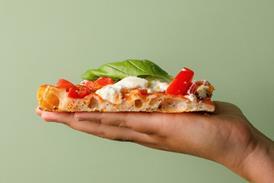
Capdesia completes majority acquisition of Alice Pizza
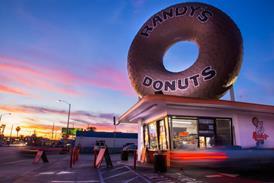
Randy’s Donuts to make UK debut
Finance
Third Space sees turnover top £100m
PPHE focused on delivering ‘continued financial progress’ following conclusion of formal sale process
Challenging economic conditions limits growth for Batemans
Allpress reports 19% revenue rise
Opinion
The complexities and considerations of an international expansion plan
More action is required from government, but will it be forthcoming?
What every operator should know about the climate’s impact on food and drink
The horse has already bolted
Analysis & Insight
Restaurant sales revive while pubs soften in August
Inappropriate and unacceptable behaviour still commonplace in hospitality
Summer heatwave drives up utility costs for hoteliers
Strong performance across hospitality and leisure categories in August as consumer confidence improves
Interviews
Samyukta Nair: ‘Hospitality doesn’t leave much room for ego’
Dubai-based Passion F&B looking to bring further concepts to UK
Open Restaurant Group: ’It’s going to be a busy six months for us’
Nero Group: ‘We anticipate opening about 45 new stores in the UK next year’
Innovation
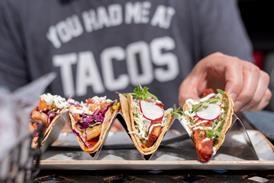
Inside the UK’s taco boom
Origin Coffee enters RTD category
MCA’s Innovation Conference returns on 8 October
Teenage dreams: The summer menus targeting under 18s
People
Lina Stores appoints new marketing director
SSP appoints Preyash Thakrar as chief strategy and corporate development officer
Olivia FitzGerald to join Airship & Toggle as CEO
Finn Lagun departs Pasta Evangelists
Events
The MCA Hospitality Awards
Pub Conference
Food to Go
Hostech
Restaurant Conference
Innovation Conference
Innovation Conference 2026
How pub operators are adapting in a tough trading climate
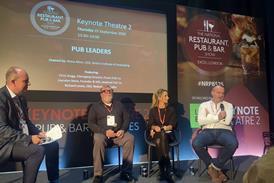
Pub leaders on early dining, breakfast and local events
Subscribe now
More from
navigation items
Pubs, Bars & Clubs
LFL profits fall at Greene King
By
M&C Report team
2009-01-28T07:36:00
Already have an account?
Sign in
You have reached your article limit
Register for limited access
Register for free
50%
off your first 3 months
Subscribe now